
About
Mission Patagonia
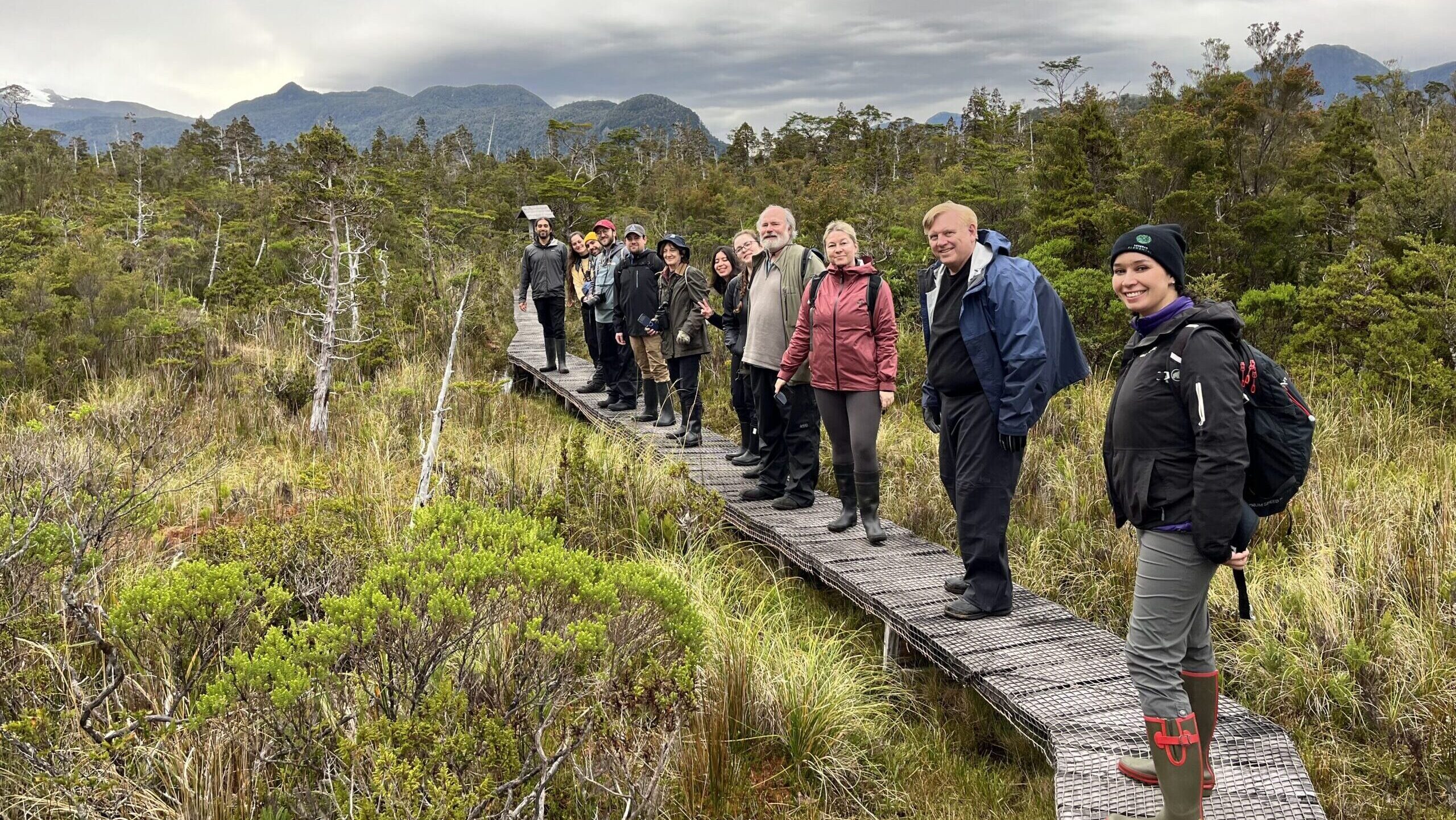
Credit: Esteban Tapia Brunet
Mission Patagonia is an outdoor environmental education program in southern Chile, born in 2022 as a collaborative project between Associated Universities Inc. (AUI) and Melimoyu Elemental Reserve (or REM in Spanish). Mission Patagonia’s main goal is to promote the ecosystemic approach through an educational collective experience of people interested in educational and outreach projects. We faithfully believe that inspiring people to ecosystemic belonging will promote a sustainable society in harmony with the planet for future generations.
To achieve this, nature will be our greatest ally. Thus, for over a week, participants will experience different activities at Castro City (part of Chiloe’s archipelago), and at Melimoyu Elemental Reserve (Aysén region). The Reserve is a private protected area of over 16,000 hectares designated to conservation and surrounded by volcanos, glaciers, fjords and patagonic evergreen forests.
During the program, participants will be immersed in hands-on experiences based on an environmental education model developed by the REM team. Some of its elements are:
- Environmental education goals established in the Tbilisi Declaration, the result of the first International Conference of Environmental Education led by UNESCO and UNEP in 1977.
- Experiential Learning Cycle of Kolb are continuous learning experiences based on reflections that are constantly modified by new experiences.
- Open Standards for the Practice of Conservation, applied in the Effective Conservation Plan of Melimoyu Elemental Reserve, recognizes and applies environmental education as a management tool for effective conservation.
- Integral Learning Method developed by Caserta Foundation is an educational approach that sees each person as a multidimensional being. It is understood that we bring these different dimensions of ourselves to all we experience and that can be leveraged to propel the educational process itself.
It is also expected that participants can seize this experience to boost their networking and build new alliances with people who works in similar or complementary educational projects.
Credit: Jayden Conner
Credit: Paul D. McKay
Program Activites
A selection of what participants experience. Every cohort’s journey is shaped by weather, season and the living landscape itself.
Credit: Esteban Tapia Brunet
Wildlife Encounters
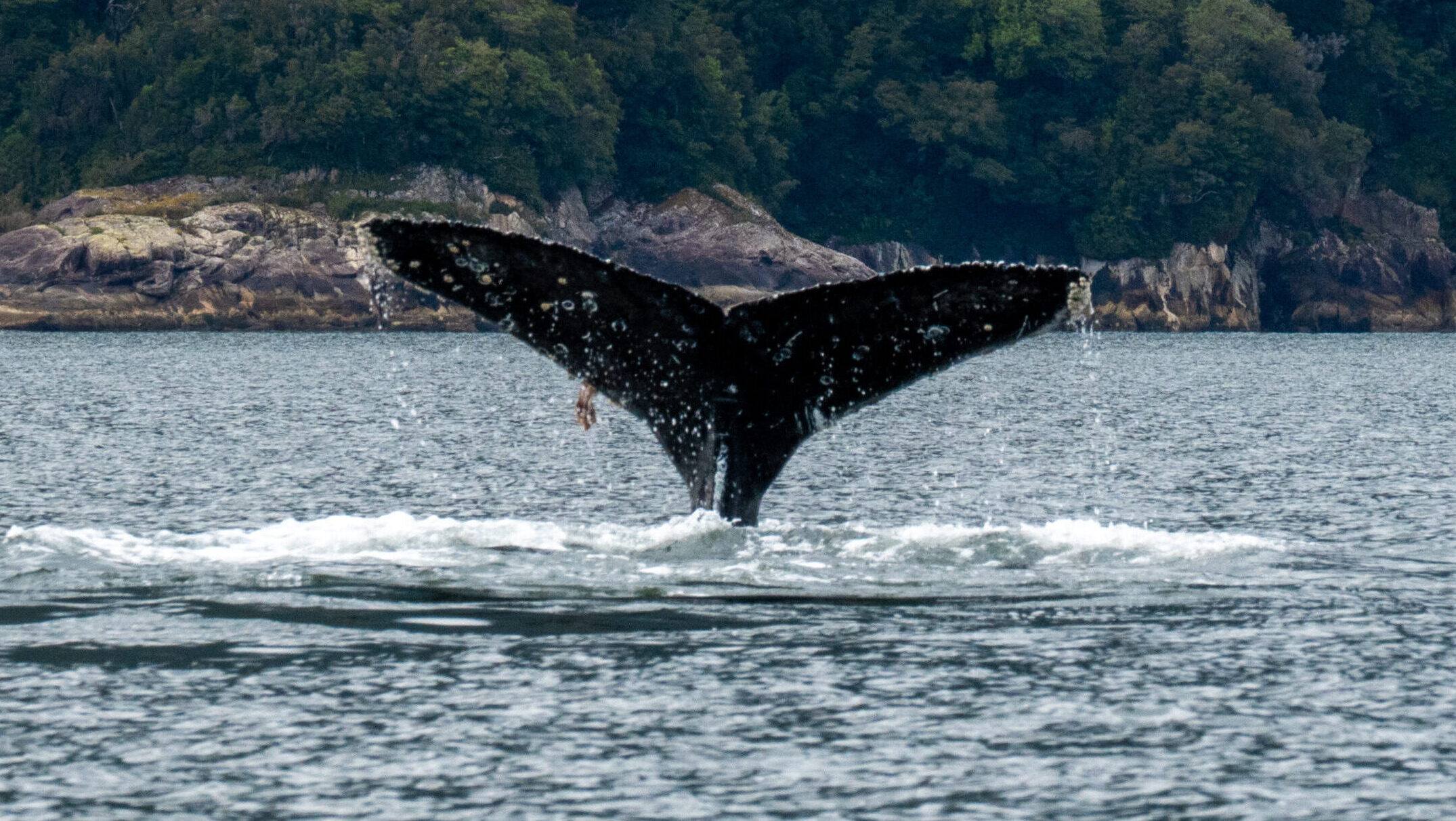
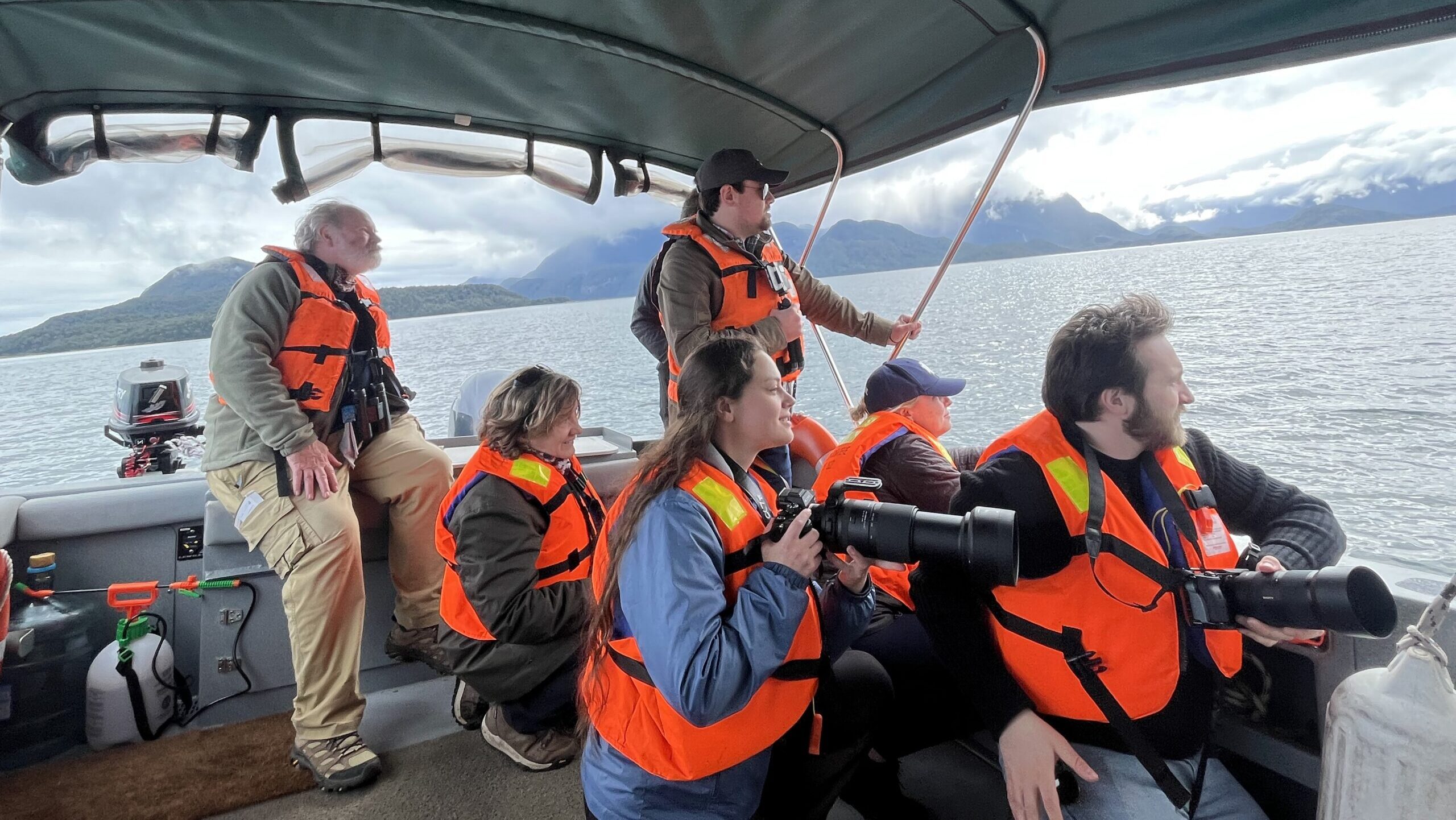
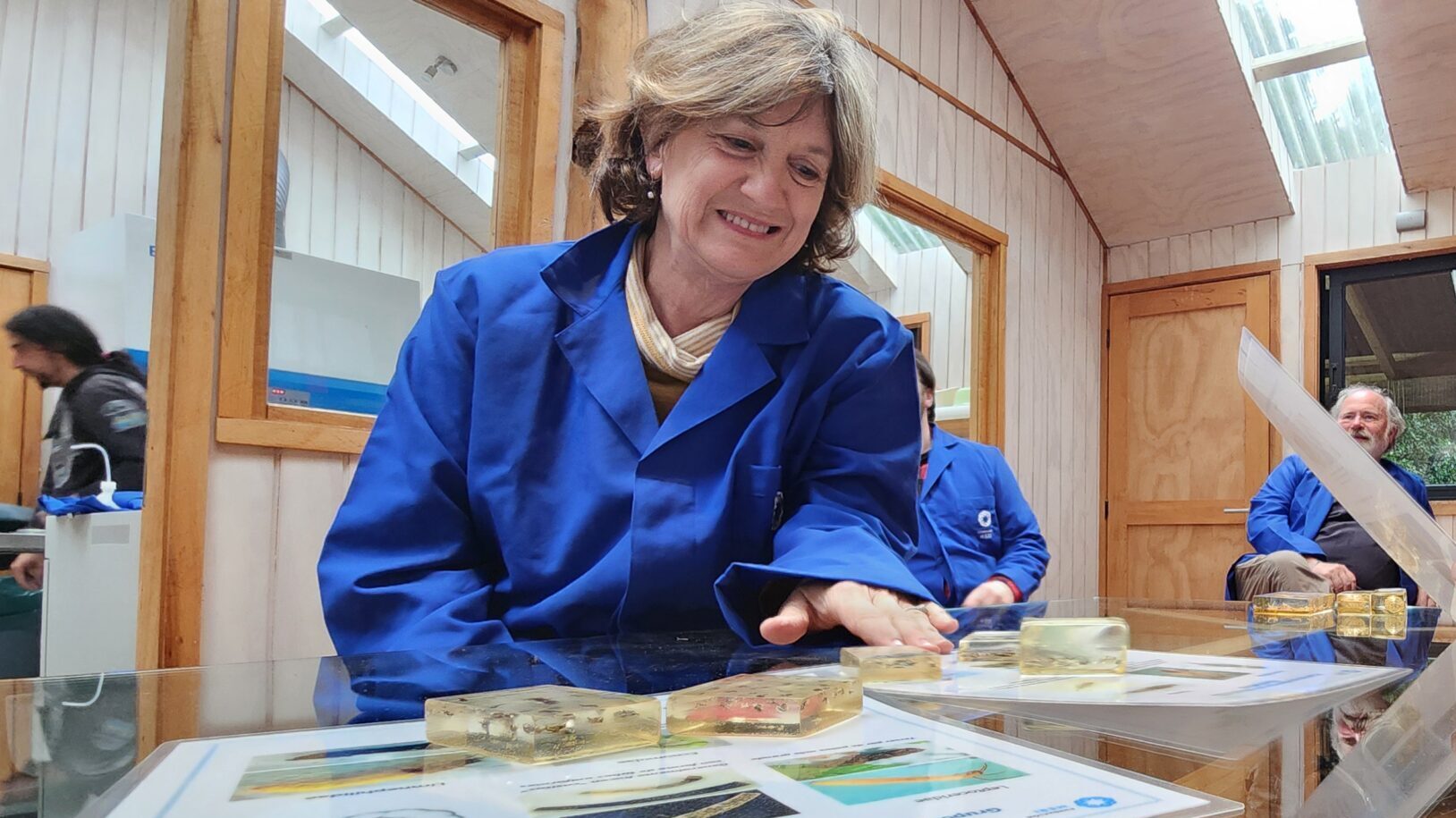
Patagonia is one of the most biodiverse corners of the planet, and you get to experience it up close. On the water, you travel by boat through the Corcovado Gulf, one of the most significant feeding grounds for blue whales and other cetaceans in the southeastern Pacific. On land, trails through the reserve’s old-growth forest move through a transitional zone between two distinct ecosystems, meaning what you encounter depends on where you look and what the land offers that day.
Credit: Jason Schreiner
Field Science and Inquiry
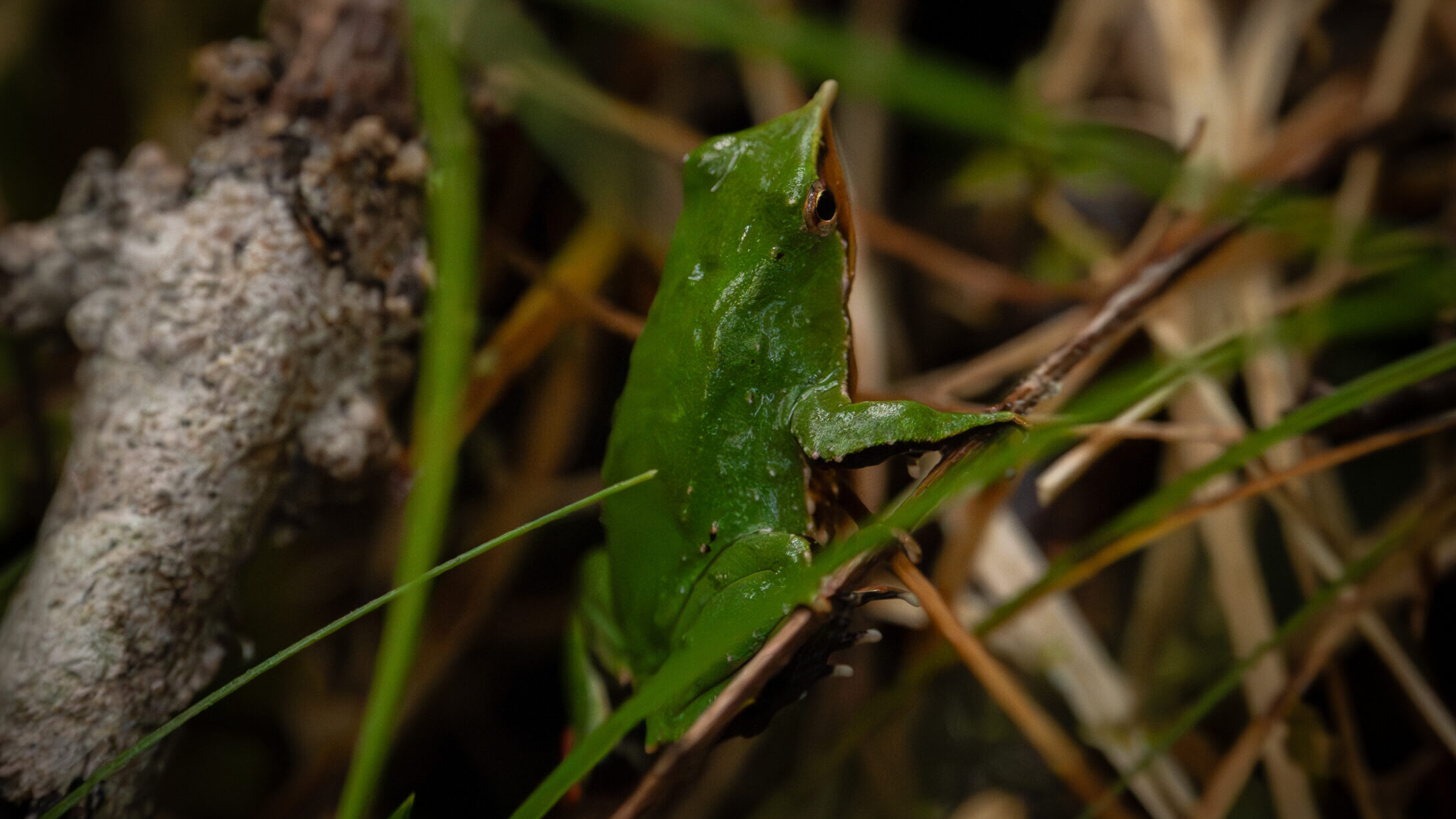
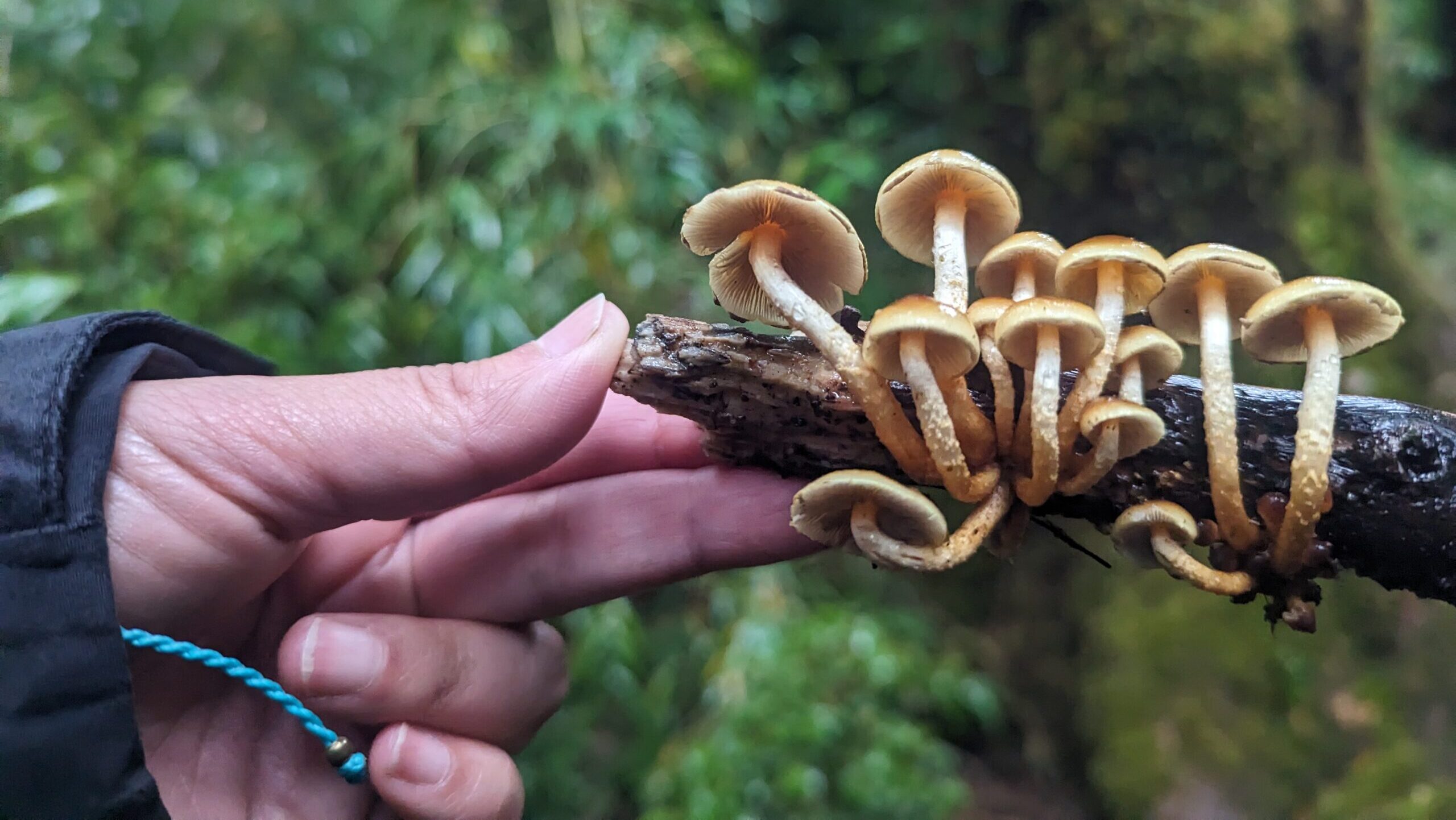
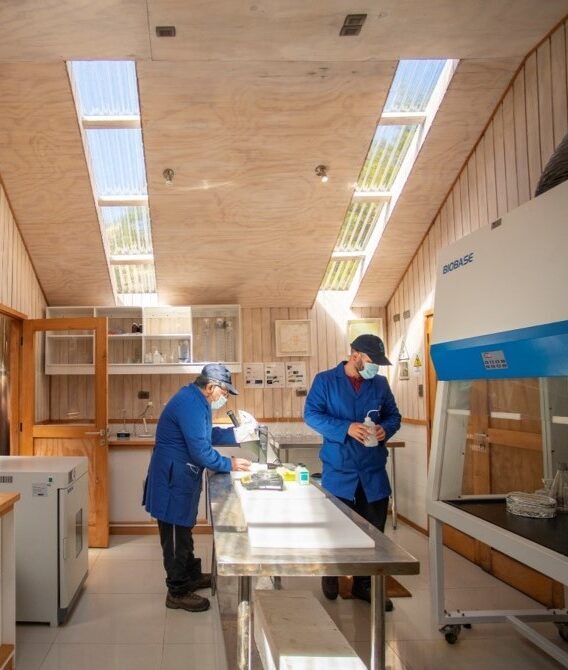
Participants learn directly from scientists working at the reserve, including a leading expert on Darwin’s frog before heading into the forest to explore their habitat firsthand. Lab sessions on microplastics and macroinvertebrates in Patagonian waterways bring a different kind of attention to the landscape you’ve been moving through. The reserve’s own conservation plan serves as a teaching text throughout. For participants seeking professional development, this is direct engagement with working conservation science in one of the most intact ecosystems remaining on Earth.
Credit: Tiffany Stone Wolbrecht
Hiking and Place-Based Exploration
The reserve’s trail system moves through Arrayanes groves, subantarctic forest, and riparian corridors, guided by naturalists who know and love the land. The guides bring the forest into focus in ways that are hard to describe until you’ve experienced it, and participants consistently say it changes how they see and move through natural spaces long after they return home. That shift, from observer to someone who connects with and belongs in a landscape, is exactly the kind of thing that transforms how you teach, communicate, and advocate for the natural world.
Credit: Esteban Tapia Brunet
Cultural Exchange
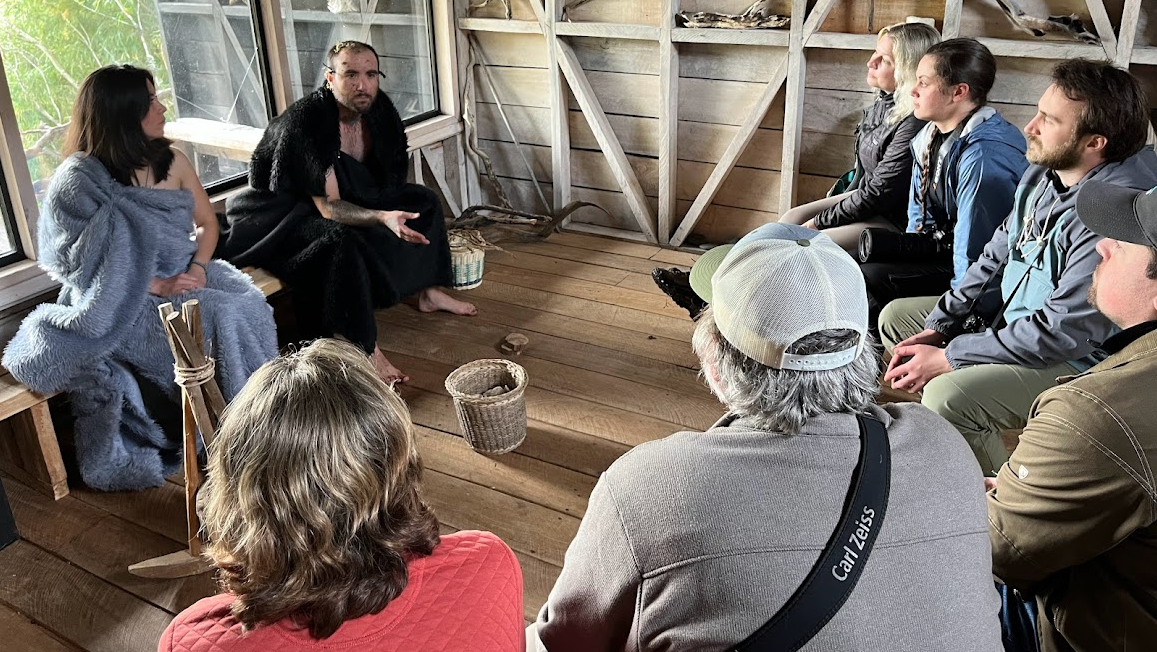
The program extends beyond the reserve itself. Participants engage with educators, scientists, local community members, and other institutional leaders across Chile. A visit to a rural school grounds the experience in how place-based education works in a very different national context. Participants consistently describe the connections they form across the cohort and with the Chilean educators and scientists they meet as among the most lasting outcomes of the trip, opening doors to collaborations that span disciplines, institutions, and hemispheres.
Credit: Debbie McKay
Reflection and Community
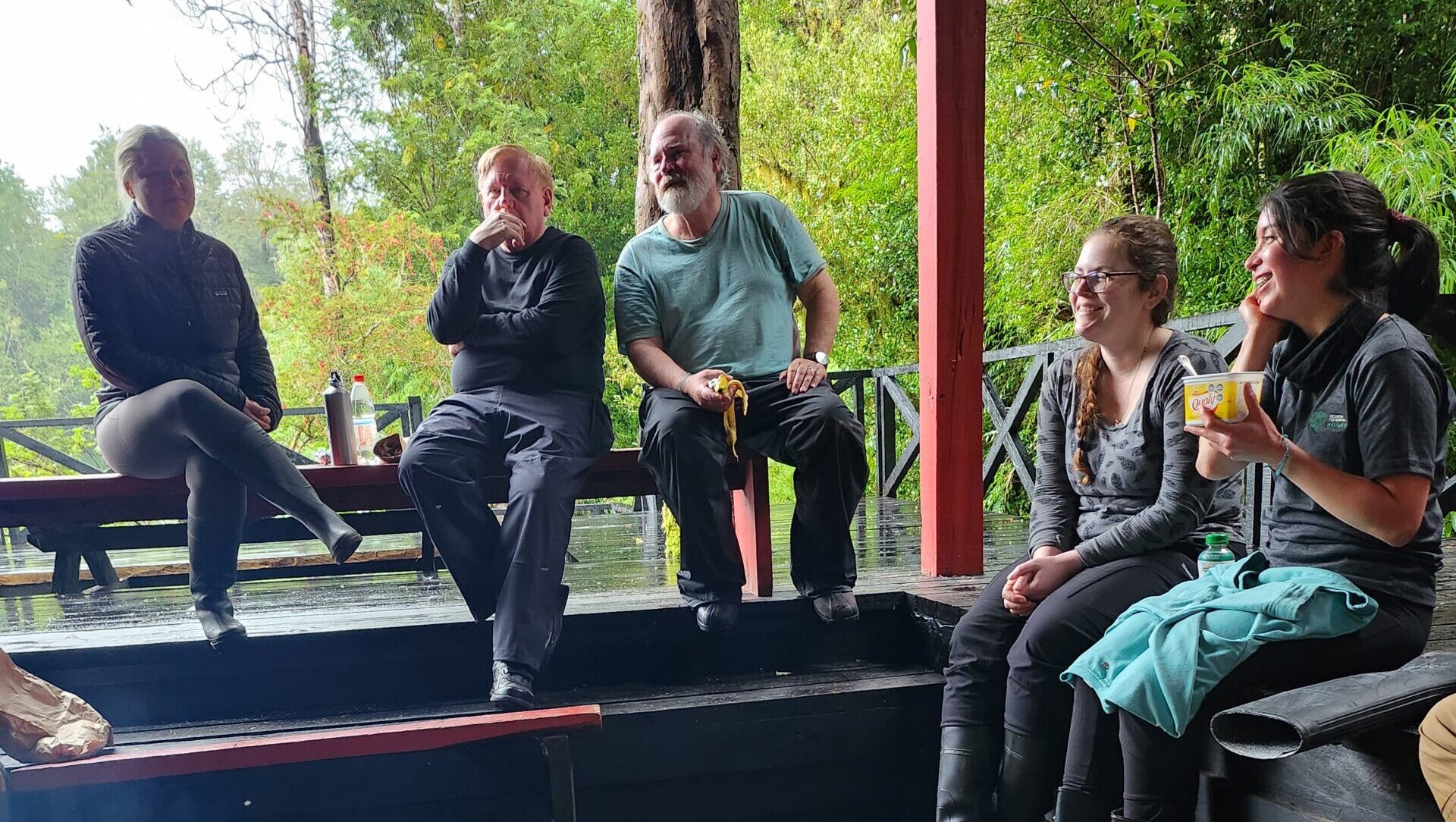
Something happens when a small group of people undergoes an experience like this together. By the end of ten days, participants aren’t just colleagues, but people who hiked through the same rain forest, explored the same ecosystems, and reveled at the same ancient volcano. Each evening includes expert presentations and facilitated discussion, and the program closes with a formal ceremony and dedicated time to integrate what you’ve experienced before returning home. The relationships built here have a way of becoming the ones that matter, professionally and personally, for years afterward.
Credit: Melimoyu Elemental Reserve
Hospitality and Place
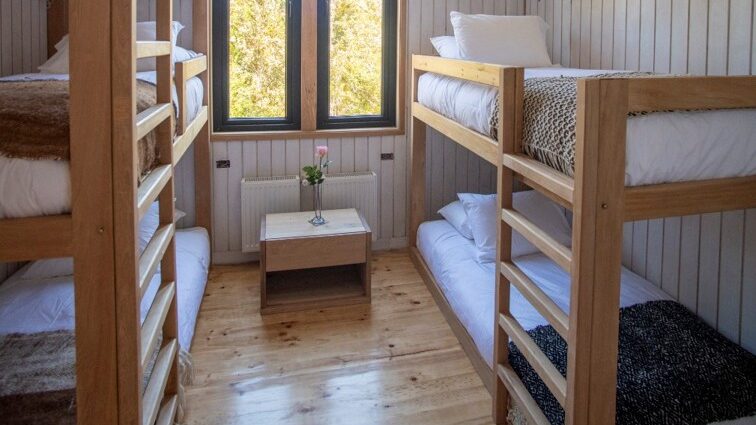
Casa Corcovado, the program’s home away from home at the reserve, is the kind of place that takes care of you. After long days in the field, participants return to warm meals, good company, and the particular comfort of a place that feels genuinely lived-in and loved. The accommodations are simple and shared, and the care you feel there is as much a part of the program as anything that happens in the field.
Reserva Elemental Melimoyu
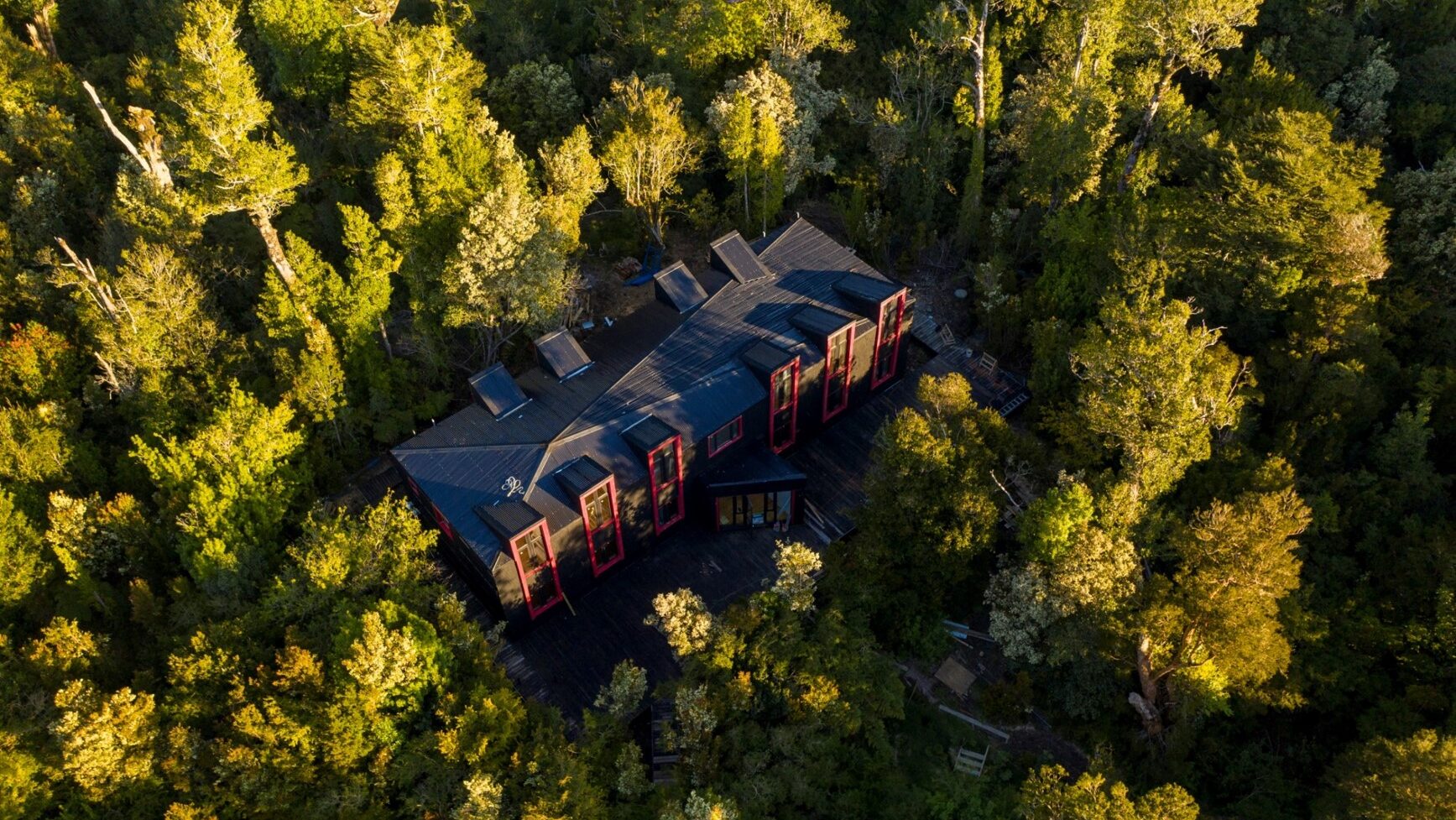
Melimoyu—which means “four breasts” in the Mapudungun language—is a 16,000 hectare reserve of native forest located in the northern region of Aysén, Chilean Patagonia. This pristine geography, dominated by the Melimoyu volcano and its glaciers, is a conservation land that stands out for its great biodiversity, as it is located in a transitional zone between the temperate rainforest and the subantarctic Patagonian forest, where the mountains meet the ocean, giving way to the southern fjords, one of the few ecosystems of this type existing on the planet.
The place has a wide variety of native and endemic flora and fauna species, such as Arrayanes, Guaitecas Cypress, and majestic Nothofagus forests. The Darwin’s Frog, unique in its kind for the parental care it executes, and birds such as the Chucao and the Kingfisher, among many others. In addition, it is the gateway to the Corcovado Gulf, one of the main and recognized feeding and socializing areas for blue whales and other cetaceans that visit the rich waters of the southeastern Pacific Ocean every year.
The Melimoyu Elemental Reserve is founded and administered by Filantropia Cortes Solari (FCS) a philanthropic non-profit foundation lead by Francisca Cortes Solari, the first latin american woman present in UICN Patrons of Nature, of global environmental leaders. Learn more by visiting the Filantropia Cortes Solari website.
Credit: Melimoyu Elemental Reserve
Credit: Melimoyu Elemental Reserve
Associated Universities Inc.
AUI is a global leader in developing and delivering high-quality workforce development, education and training tools and initiatives. From our inception in 1946, AUI has contributed to the development of a scientifically and technically literate society through education and public outreach. AUI’s educational initiatives span a broad spectrum of ages, professions and disciplines, and pedagogical approaches. At the core of all these initiatives, however, is a deep fidelity to the goal of building the workforce of tomorrow through effective, efficient and innovative projects.
Associated Universities recognizes the importance of cultivating excellence, delivering value, enhancing education and engaging the public. The AUI Office of Education and Public Engagement (OEPE) builds on decades of experience across formal and informal education and outreach, and the management of large complex science projects and facilities. Through the OEPE, AUI works to identify and develop initiatives that are innovative and potentially transformative in STEM related education and outreach. Learn more at the AUI website.