
2026 Nature Guardians
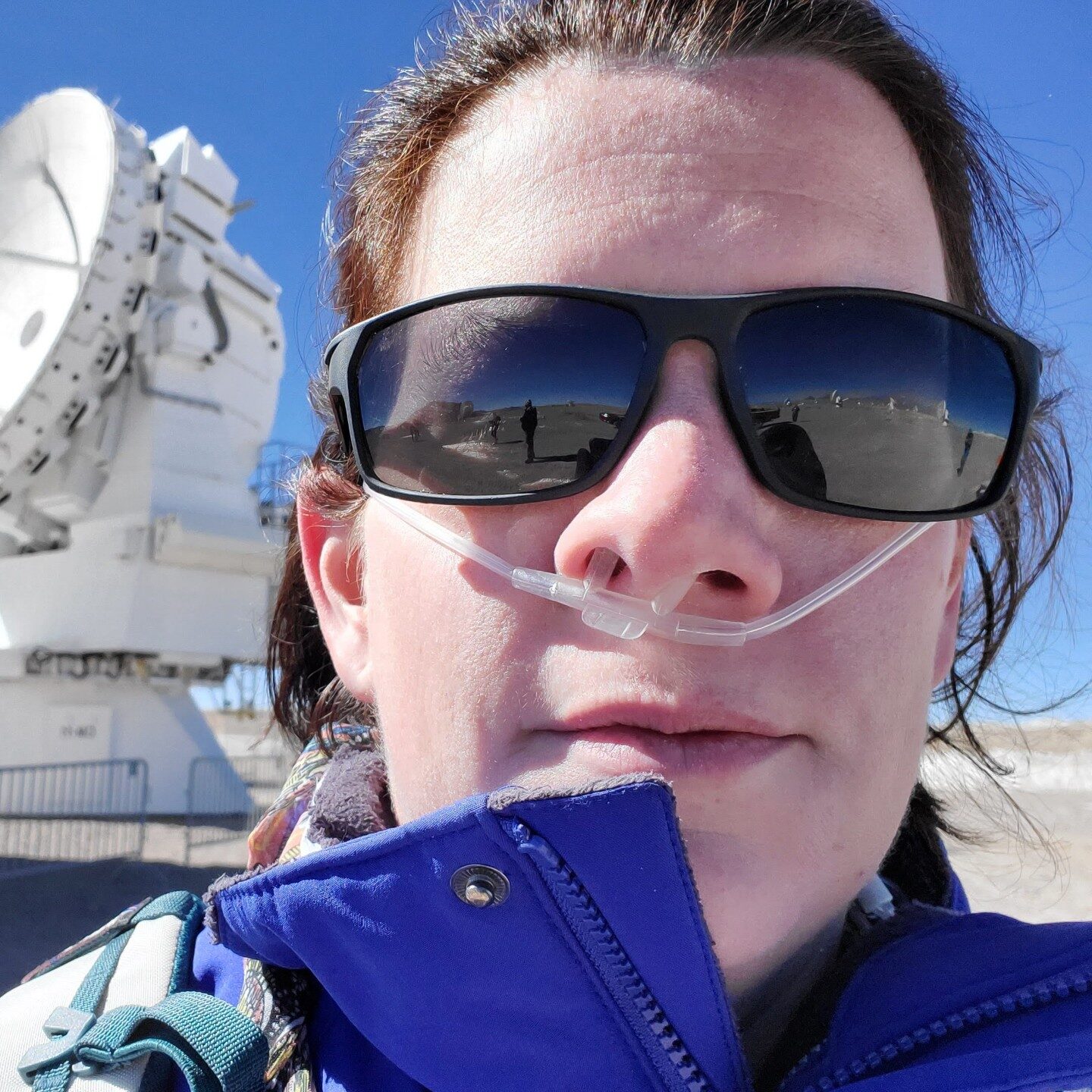
Amy Barraclough
Amy Barraclough is the director of the Edelman Planetarium at Rowan University in southern New Jersey, where she has been educating pre-K-16 students and the public for the past nine years. She holds a bachelor’s in physics and recently earned her Master of Arts in museum studies. She can usually be found in the planetarium exploring the surface of Mars and talking about the Mars 2020 rover, Perseverance.
Amy dedicates herself to making astronomy accessible to everyone. She was awarded a NASA Community Anchor grant in 2021 to increase girls’ interest in and confidence in doing astronomy, and she is wrapping up an Institute of Museum and Library Services grant to make the planetarium more accessible to neurodivergent individuals. Her next goal is to make the planetarium more accessible to visitors with hearing or vision loss.
With over 20 years of experience as an informal educator, Amy is no stranger to media — appearing on local news, radio and TV. She was even interviewed on the national news show, NBC Nightly News, in 2024. Although she is most comfortable talking about astronomy, she has a strong passion for preserving dark skies and other natural heritage in all its varied forms. She often collaborates with faculty at Rowan’s School of Earth and Environment to bring their climate research into the dome. She’s excited to bring her experience as a Nature Guardian back to Rowan to share with faculty, students and the public.
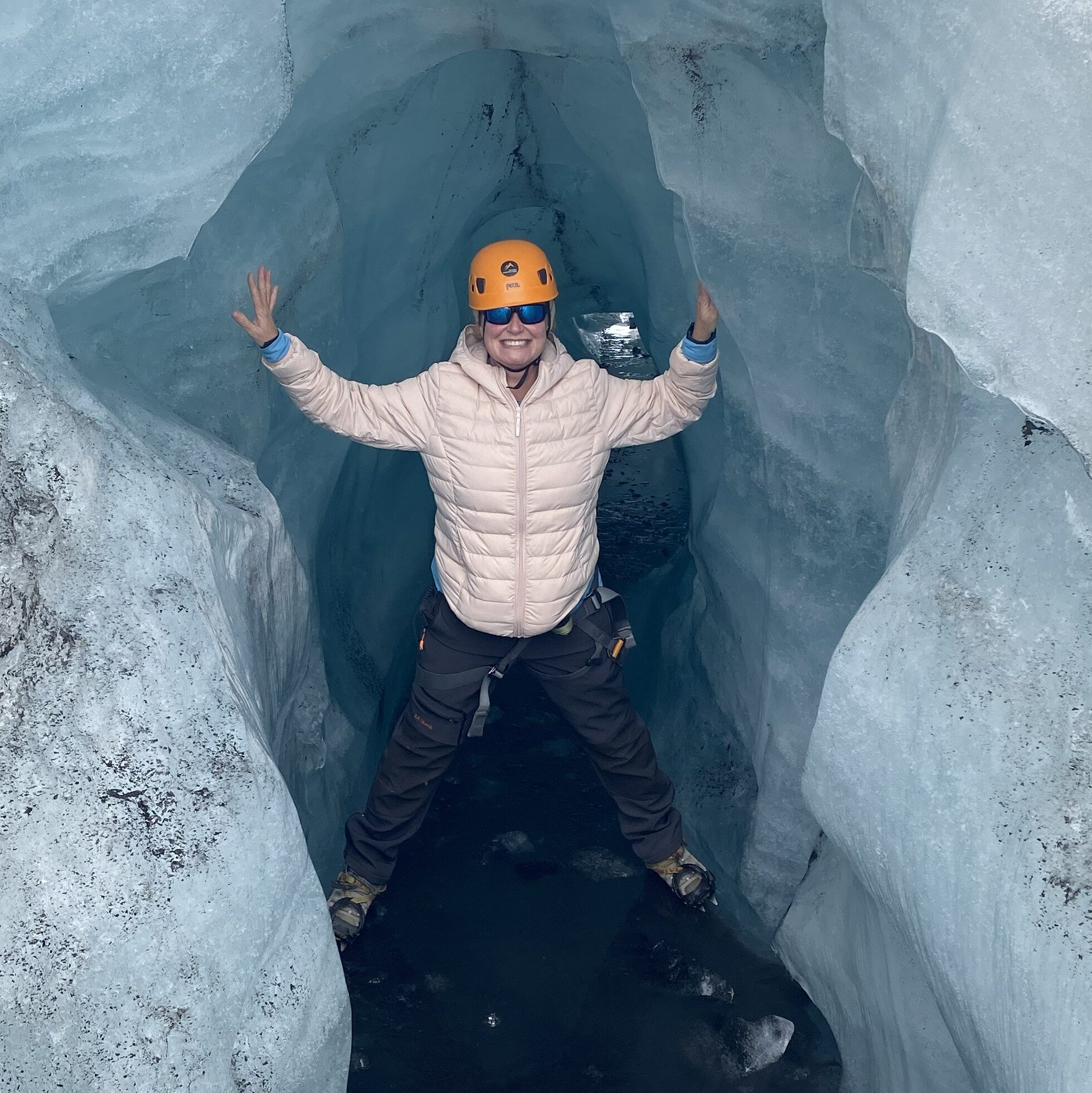
E.V. Bell
E.V. Bell is a marine and environmental educator with more than 25 years experience teaching in areas such as the Florida Keys and coastal South Carolina. Her efforts have spanned vessel- and land-based experiential education for K-12 youth, professional development for formal and nonformal educators, and stewardship-focused salt marsh restoration projects. Additionally, through her recent work at the S.C. Sea Grant Consortium and the Environmental Education Association of South Carolina, she provides opportunities to explore the natural resources of the state and incorporate relevant scientific data into trainings and educational materials. In her personal time, she can be found in, on, or around the water, gardening, hiking, traveling, watching Clemson football, and spending time with her friends and family, which includes her (crazy!) nine-year-old German shorthaired pointer, Willow.

Dan Hill
Dan Hill graduated from FMU with a major in biology and a minor in chemistry. After graduation, he spent 10 years working as a contract biologist on a wide range of projects across the United States. His field experience includes a three-year reptile and amphibian study at the Woodbury Tract; bird studies involving Swallow-tailed Kites, Henslow’s Sparrows, and Painted Buntings; and assisting with surveys of the West Virginia northern flying squirrel, work that helped preserve a large section of forest in Canaan Valley by deeding it to the state park rather than allowing it to be logged.
Additional professional experience includes chemical residue studies on potatoes and strawberries, fungicide studies on rice, and worker-exposure studies conducted nationwide. While working with the U.S. Fish and Wildlife Service at the Wallkill River National Wildlife Refuge in New Jersey, Dan contributed to bog turtle monitoring, invasive plant control, and the management of shallow-water impoundments to support migratory shorebirds and waterfowl.
Dan served for 14 years as assistant director of Kalmia Gardens at Coker University and is currently in his fourth year as director of the gardens. He is the recipient of the 2014 South Carolina Environmental Educator of the Year Award and the 2016 FMU Biology Alumni of the Year Award, and he holds a Palmetto Environmental Education Certification (PEEC).
He is actively involved with Carolina Clear, Clemson Extension and 4-H, and has previously served with the South Carolina Exotic Pest Plant Council, the Environmental Education Association of South Carolina, and Keep Florence Beautiful. Outside of work, Dan is an avid kayaker, canoeist and backpacker.
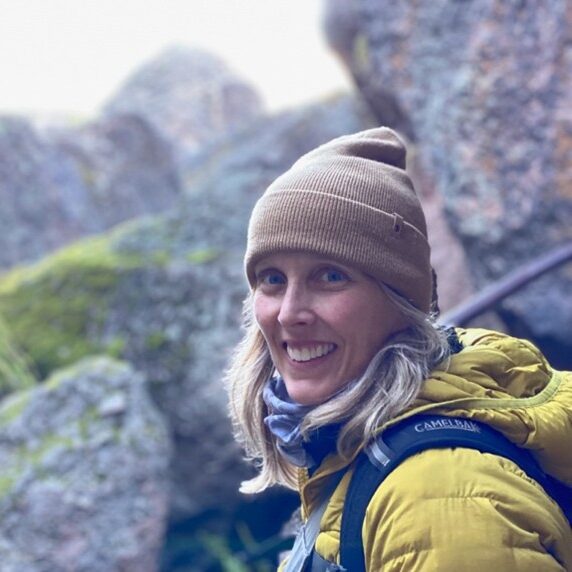
Cathy Kindem
Dr. Cathy Kindem is an educational leader, environmental advocate and lifelong adventurer whose career blends science, stewardship, joy, collaboration and innovation. As principal of Oak Ridge Elementary School of Leadership, Environmental and Health Sciences — an environmental magnet school in Minnesota’s third-largest district — she leads a diverse community of learners through experiences rooted in the natural world, outdoor learning and wonder. Cathy helps students and staff cultivate curiosity, observation and stewardship, fostering meaningful connections to the environment.
A former award-winning K–5 science specialist, Cathy has been recognized nationally for her commitment to STEM education, including the Presidential Award for Excellence in Science Teaching from the White House and National Science Foundation. She earned a minor in science education and, as a high school student, won first place at the International Science Fair for environmental science. She has served as a K–12 STEM and magnet programs coordinator and adjunct graduate instructor. Cathy models lifelong learning through professional development, including the Disney Institute, strengthening her focus on joyful learning and service.
Cathy’s passion for the natural world is personal and shared with her family. She has summited 26 Colorado 14ers, skied the world’s longest ski run, and is a budding nature photographer. As a 2026 Nature Guardian, Cathy seeks to amplify the research and conservation work of the Melimoyu Nature Reserve. Inspired by her school’s mission—Live, Learn, Lead Every Day—she strives to empower others to experience the wonder of nature. She is grateful for her family and friends, whose encouragement fuels her adventures and dedication to inspiring others.
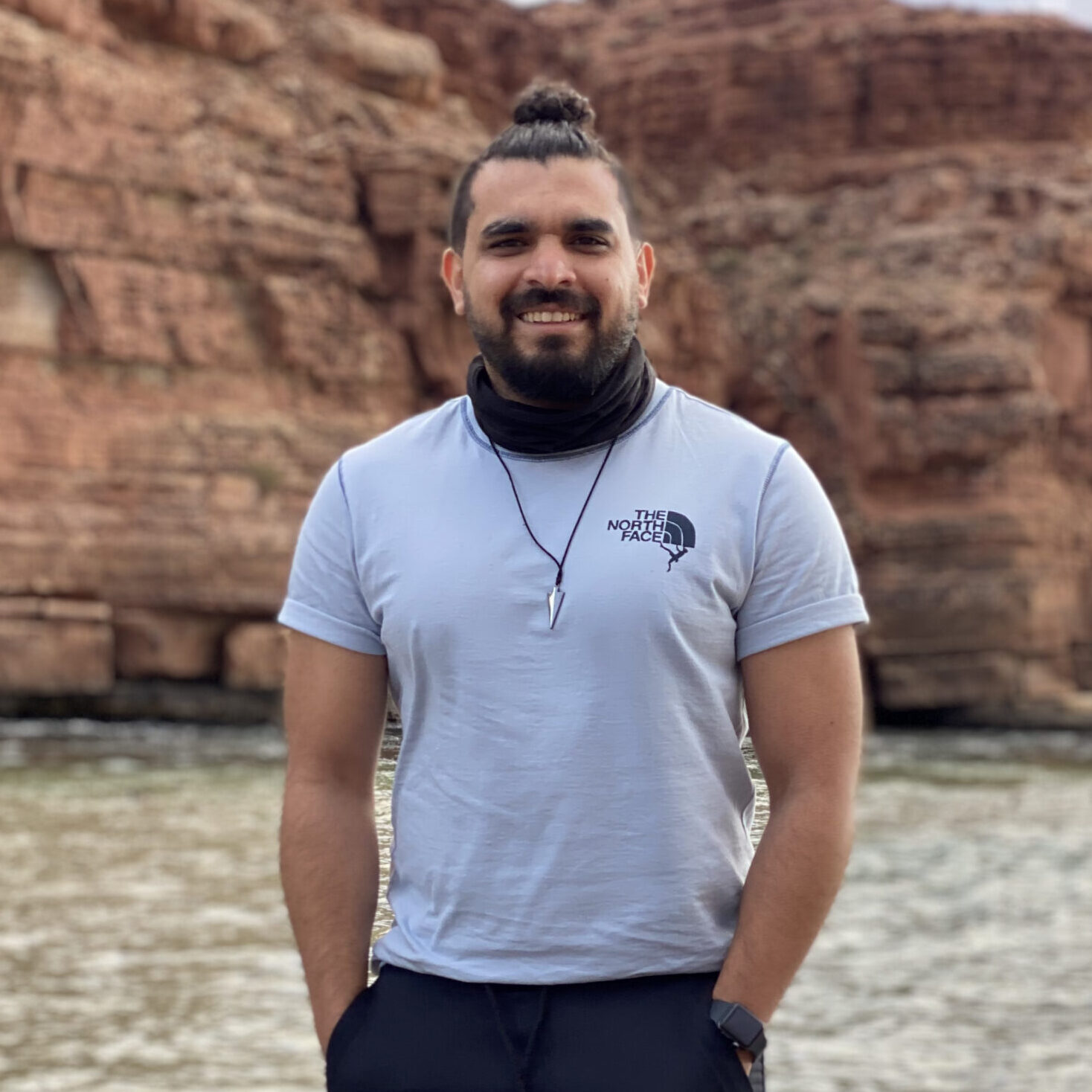
Hamza Malik
Hamza is the director of research programs and strategic partnerships at the Lloyd Center for the Environment (LCE) – a Southeastern Massachusetts non-profit organization whose mission is to instill lifelong respect and affection for nature in all people through research, education and outreach. In his current role, Dr. Malik serves as a lead instructor for LCE’s flagship education programs, serving students of all ages, especially at the upper elementary and secondary levels. LCE serves 12,000 to 15,000 students each year, mostly from urban school systems of Greater New Bedford and Fall River. His work includes supervising research projects, both in- and out-of-school, mostly held on LCE’s 82-acre property or at other partner sites, such as local state parks, community centers, libraries, museums and zoos. Dr. Malik’s STEM education scholarship has been published in high-quality journals, such as Investigations in Mathematics Learning, Journal of Outdoor and Environmental Education and Connected Science Learning. He has also published an invited “guidelines in practice” article in the North American Association for Environmental Education’s (NAAEE) latest “Educating for Climate Action and Justice: Guidelines for Excellence” book series, specifically focused on the partnership between a nature center and a research university.
Dr. Malik is currently also serving as an adjunct professor of environmental sciences and studies at Stonehill College, teaching courses titled “Principles of Environmental Science” and “Environmental Racism: Towards Environmental Justice”. Dr. Hamza Malik holds a Ph.D. in STEM Education from the University of Massachusetts, Dartmouth. He also holds an MBA in Environmental Policy and Data Analytics and a Bachelor of Science in economics and communications (FC College, Lahore, Pakistan). Dr. Malik has over 25 years of experience in environmental education and outreach programs. He has worked for organizations such as WWF-Pakistan (World Wildlife Fund for Nature) and WWF-South Pacific Fiji Islands. Dr. Malik has also served as Civic and Environmental Education (CEE) Change Fellow 2024-25 with the North American Association of Environmental Education (NAAEE).
Amy Oliver
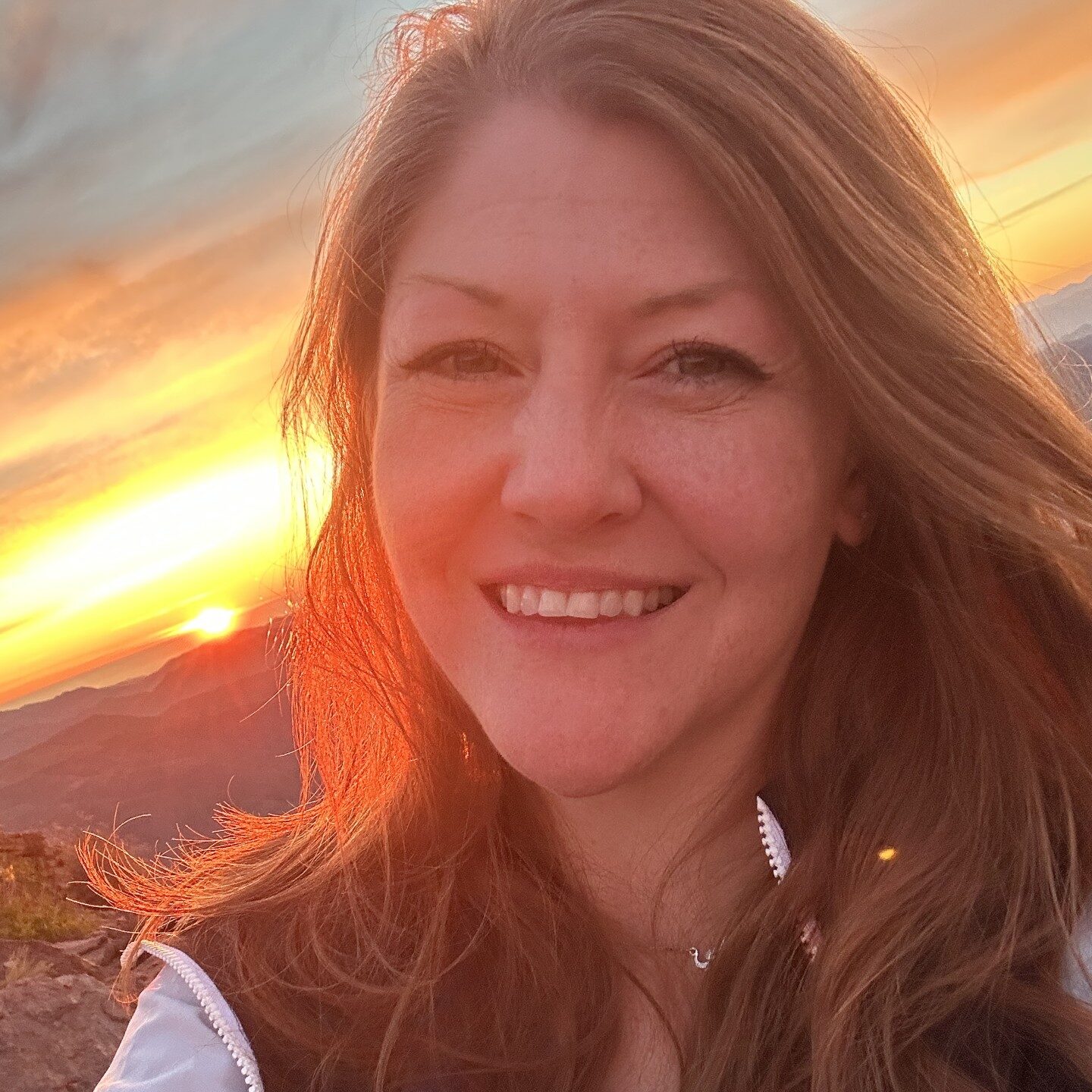
Amy C. Oliver, CPM, FRAS, aka “The Nerdy Astronomer”, is an award-winning journalist, globally recognized speaker, science communicator and informal science educator with more than 20 years of experience distilling difficult science topics for audiences. Amy’s environmental sciences work began with taking a census of trees in historic cemeteries more than a decade ago. Today, her work focuses on light pollution’s impacts on Earth and its limited resources, work that resulted in her election to the Fellows of the Royal Astronomical Society (FRAS) in 2021. Her 2024 TEDx talk, “Glowing, Glowing, Gone: What We Lose When We Turn On the Lights,” explores the active nighttime ecosystem we take for granted: bees making a pit stop on a long journey home, bean plants getting much needed Zzzs, and the glowworm dating game. By day, Amy is public affairs officer and public science center director for the Smithsonian Astrophysical Observatory’s Fred Lawrence Whipple Observatory and chair of the Tucson/Pima County Outdoor Lighting Code Committee. By night, she is a presenter for University of Arizona’s Mount Lemmon SkyCenter, and principal investigator of both Dark SkyNet, a cross-border light pollution monitoring network, and Project GLOW, studying unexpected bioluminescence above 2435m. To collect Earth’s stories, Amy has braved the iciness of the Salish Sea to watch blooms of phytoplankton light up midnight waters, belly crawled through tight cave tunnels to watch crystal formation in action, and ascended to more than 5000m above sea level to stand in awe of the Milky Way.